
Gardening Tips: Elevate Your Floral Design Skills
Gardening is more than just a hobby; it’s a form of art that allows you to express creativity and connect with nature. Whether you are a seasoned gardener or just starting, enhancing your floral design skills can transform your garden into a breathtaking sanctuary. In this post, we will explore practical tips and techniques to elevate your floral design skills, ensuring your garden is not only beautiful but also a reflection of your personal style.
Understanding the Basics of Floral Design
Before diving into advanced techniques, it’s essential to grasp the fundamentals of floral design. This knowledge will serve as the foundation for your creative endeavors.
Color Theory
Color plays a crucial role in floral design. Understanding how colors interact can help you create harmonious arrangements. Here are some tips:
Complementary Colors: Pair colors that are opposite each other on the color wheel, such as blue and orange, for a striking contrast.
Analogous Colors: Use colors that are next to each other on the wheel, like yellow, yellow-orange, and orange, for a more subtle and cohesive look.
Monochromatic Schemes: Stick to one color in various shades to create depth and interest.
Texture and Form
Incorporating different textures and forms can add dimension to your floral arrangements. Consider the following:
Variety of Shapes: Mix round blooms with spiky flowers to create visual interest.
Leafy Greens: Use foliage to fill gaps and add texture. Ferns, for example, can soften the overall look.
Height Variation: Incorporate flowers of varying heights to create layers and depth.
Choosing the Right Flowers
Selecting the right flowers is vital for achieving stunning floral designs. Here are some tips to guide your choices:
Seasonal Selection
Opt for flowers that are in season. Seasonal blooms not only look their best but are also more affordable and sustainable. For example:
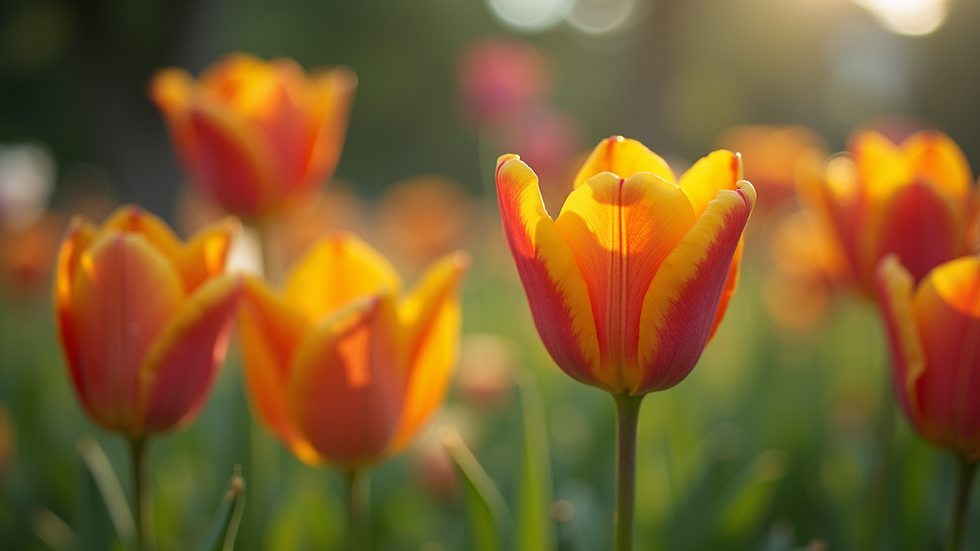
Spring: Tulips, daffodils, and hyacinths.
Summer: Sunflowers, zinnias, and dahlias.
Fall: Mums, asters, and ornamental grasses.
Winter: Poinsettias, evergreens, and hellebores.
Personal Preference
Choose flowers that resonate with your personal style. If you love vibrant colors, go for bold blooms like peonies and gerbera daisies. If you prefer a more subdued palette, consider soft pastels like lavender and pale pink roses.
Designing Your Floral Arrangements
Now that you have a grasp of the basics and have chosen your flowers, it’s time to design your arrangements. Here are some techniques to elevate your floral design skills:
The Rule of Thirds
This principle, borrowed from photography, can enhance the visual appeal of your arrangements. Divide your design into three sections, placing the focal flowers in one-third and filling the remaining space with complementary blooms and greenery.
Focal Points
Create a focal point in your arrangement to draw the eye. This could be a large, striking flower or an interesting piece of foliage. Surround it with smaller blooms to create balance and harmony.
Layering Techniques
Layering flowers and foliage can add depth to your arrangements. Start with larger blooms at the base, then add medium-sized flowers, and finish with smaller accents. This technique creates a natural, garden-like feel.
Caring for Your Floral Arrangements
To ensure your floral designs last longer, proper care is essential. Here are some tips:
Watering
Fresh Cuts: Always cut stems at an angle before placing them in water to allow for better absorption.
Clean Water: Change the water every few days to prevent bacteria growth.
Temperature and Light
Cool Environment: Keep arrangements in a cool area, away from direct sunlight and heat sources.
Avoid Drafts: Protect your flowers from drafts, as they can cause wilting.
Incorporating Unique Elements
To truly elevate your floral designs, consider incorporating unique elements that reflect your personality. Here are some ideas:
Use of Containers
The container you choose can significantly impact the overall look of your arrangement. Experiment with different materials, such as:
Ceramic Pots: Great for a classic look.
Glass Vases: Perfect for a modern touch.
Wooden Boxes: Ideal for rustic arrangements.
Adding Non-Flower Elements
Incorporate non-floral elements to add interest. Consider using:
Candles: For a romantic touch.
Fruits or Vegetables: Such as citrus or artichokes for a unique twist.
Natural Elements: Like stones or branches to enhance the organic feel.
Experimenting with Styles
Don’t be afraid to experiment with different floral design styles. Here are a few popular styles to consider:
Minimalist
This style focuses on simplicity and clean lines. Use a limited number of flowers and greenery to create a sleek, modern look.
Bohemian
Embrace a free-spirited approach with a mix of wildflowers, varied textures, and vibrant colors. This style is all about creativity and individuality.
Classic
Classic arrangements often feature traditional flowers like roses and lilies, arranged in a symmetrical fashion. This style is timeless and elegant.
Learning from the Experts
To further enhance your floral design skills, consider learning from experts in the field. Here are some ways to gain knowledge:
Workshops and Classes
Look for local workshops or online classes that focus on floral design. These can provide hands-on experience and valuable tips from professionals.
Books and Online Resources
There are numerous books and online resources dedicated to floral design. Some recommended reads include:
"The Flower Workshop" by Ariella Chezar
"Floral Diplomacy at the White House" by Laura Dowling
Social Media Inspiration
Follow floral designers on platforms like Instagram and Pinterest for inspiration. Observe their techniques and styles, and don’t hesitate to try new ideas.
Conclusion
Elevating your floral design skills is a rewarding journey that combines creativity, knowledge, and practice. By understanding the basics, choosing the right flowers, and experimenting with different styles, you can create stunning arrangements that reflect your unique personality. Remember, gardening is about enjoying the process, so have fun and let your creativity bloom!
Now that you have these tips, it’s time to get your hands dirty and start designing. Happy gardening!


Comments